Novi works in war-torn communities where children are deprived of basic needs for positive development, such as safety, education, and nutrition. They are also exposed to violence, loss, displacement, and all the disruptions created by war. These factors often lead to emotional trauma, affecting mental health and development from all ages into adulthood.
After decades of working with refugees and conflict-affected communities, our team knows that for children to thrive in dire circumstances, they need a community, emotional support, nutritious food, and access to education. Meeting these needs helps children sustain healthy lives. All of our interventions are part of meeting these four primary needs.
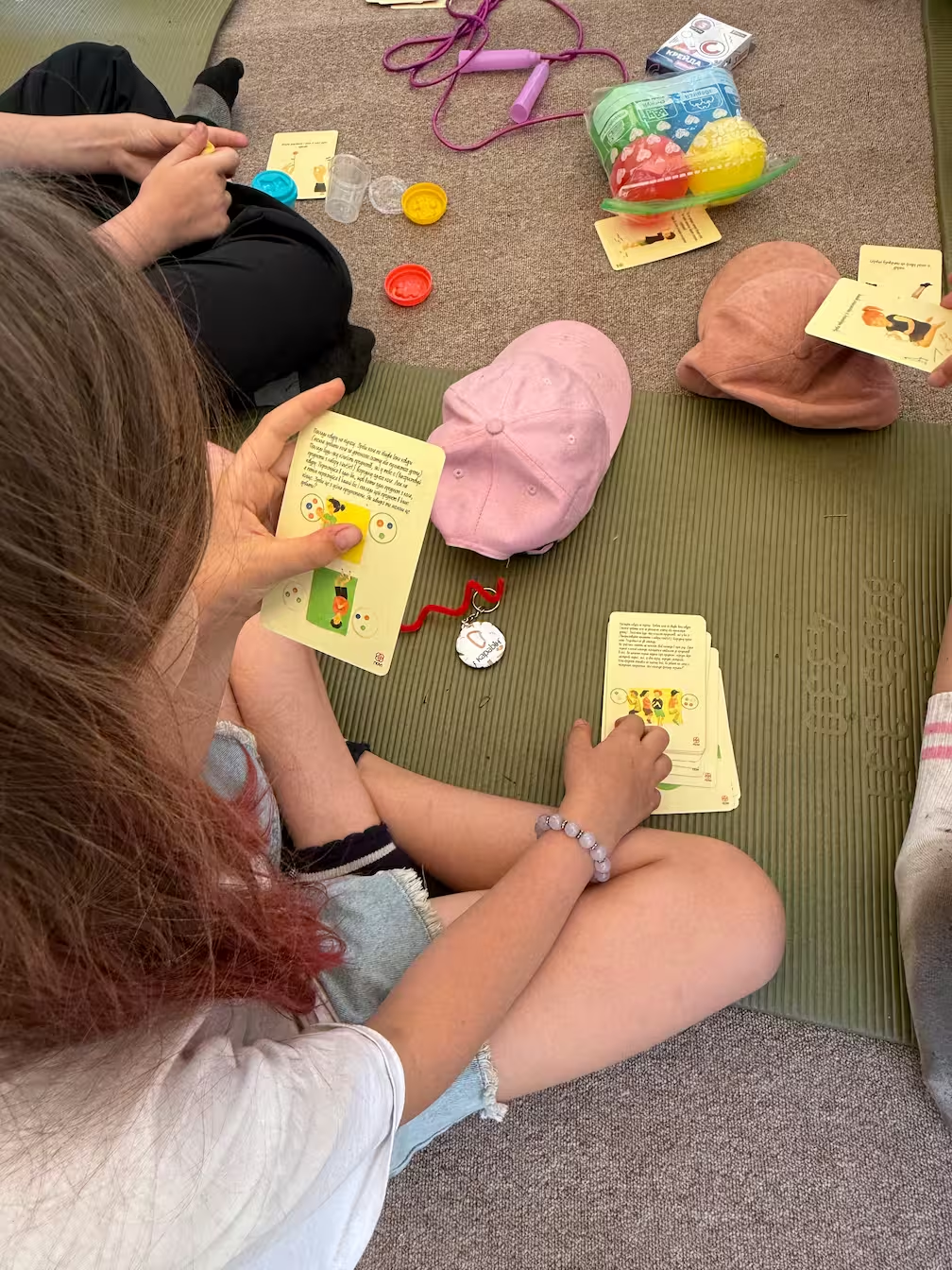
Our tools have been created by psychologists, social workers, and team members to help children and adolescents heal and grow after war and trauma by developing self-regulation skills. Structured adult-led interventions in small, age-appropriate groups foster cooperation and mutual support.
We prioritize sustainability by collaborating with local organizations to build partnerships that focus on prevention and intervention for vulnerable children.
We have a multiplication strategy that equips, coaches, and supports workers to train others in all interventions, making a lasting and expanding impact in the communities we serve.

In war-torn communities, children often lack the basic resources they need to survive. Without nutritious food, warm and safe shelter, winter supplies, and other essentials, prolonged hunger, cold, and insecurity can deepen childhood trauma and cause lasting physical and emotional harm. That’s why Novi provides essential aid to children and their families. Meeting these basic needs creates greater safety and stability, giving children a stronger foundation for resilience, recovery, and healthy development.
Novi organizes sports, theater, and social events to bring together communities affected by war and conflict. This strengthens the bond between families, safe adults, and social networks, reducing the risk of mental disorders and promoting healthy social functioning. Belonging is key to reducing the negative effects of war on children.


She lives in the rubble left after the Russian Army has rolled through her village, destroying what they can. The rumble of explosions can be heard close by. Another missile fired. Another bomb exploded. The sound of explosions is so common she doesn’t flicker. Next time the missile might hit closer. Maybe it will hit her. The missiles fired often hit children. They care not that they kill the innocents. She looks at me and her entire being says to me: “I am here. What are you going to do about it?”
Novi is dedicated to helping children like Marina, who we met in a formerly Russian occupied city in 2023.


The floors of her home are littered with trash, the uninsulated windows have let the cold inside the room, the smell is not of home-cooking, but of soiled diapers, unwashed dishes, blankets reeking of mildew and empty liquor bottles. Adding to this sad picture, is the sound of constant air sirens, the blaring alarm that penetrates sleep and shatters any kind of quiet.The Russian enemy is close, the alarm screams. Go into hiding!
Yulia felt scared, cold and hungry. But there was light. Yulia was found by our partners who invited her in to a community center supported by Novi. Here was a welcoming place run by motivated and caring adults who fed her, listened to her and introduced her to other children. Yulia feels warm when she is at the community center. This is not just because the generator runs, warming the place. It is also because she feels safe and loved.

He comes running towards us, embraces us and said he has missed us. He speaks almost fluent English and wants to show us his latest accomplishment on the computer game he has been playing. Ten-year-old Denys lives in a temporary shelter close to Kyiv. Here he lives with his mom, his little sister and about 70 other refugees in temporary housing. The days are dull. The space is crammed. The food they eat is bland. Denys struggles with depression says our staff member who goes to visit him as often as he can. He misses his friends, his home, his school, and the freedom he had to move around outside.
A bomb exploded close to Denys’ home in the East of Ukraine. The shrapnel flew close to his head. It was after hiding in their basement for a week that his mother decided she needed to take the children to a safer place, away from the bombs. Denys feels happy when he can play with others. He comes alive when Novi staff spend time with him and he engages in the activities of emotional regulation he’s learning to employ.

The other children try to ignore him, but he won’t let them. His voice is forceful, just like his large body. He is 12, restless and loud. If the other kids are playing well, his tendency is to disrupt them, push, destroy or take their toys. He is an orphan, living with 60 other children in an orphanage. Since coming here, he has learned that the only way to get attention is to be a rowdy bully. So, he is often alone. The other children don’t want to play with him. He makes the caregivers exasperated.
But inside the rough exterior is a soft and kind little boy who just wants to be loved and accepted. When Novi staff approaches him with kind and patient words, he softens. Soon he wants to hold hands. Stand close, show his phone, his silly drawing and how he can do a somersault. He sits with one of the adults who have been trained in trauma and stress intervention. Between them is a bag of toys. He empties the bag and through the toys he tells her his story. It is a sad story, but hopeful too, because as he tells it, he learns to regulate and reconcile with his strong emotions.



The Novi Community is a 501(c)(3) non-profit organization