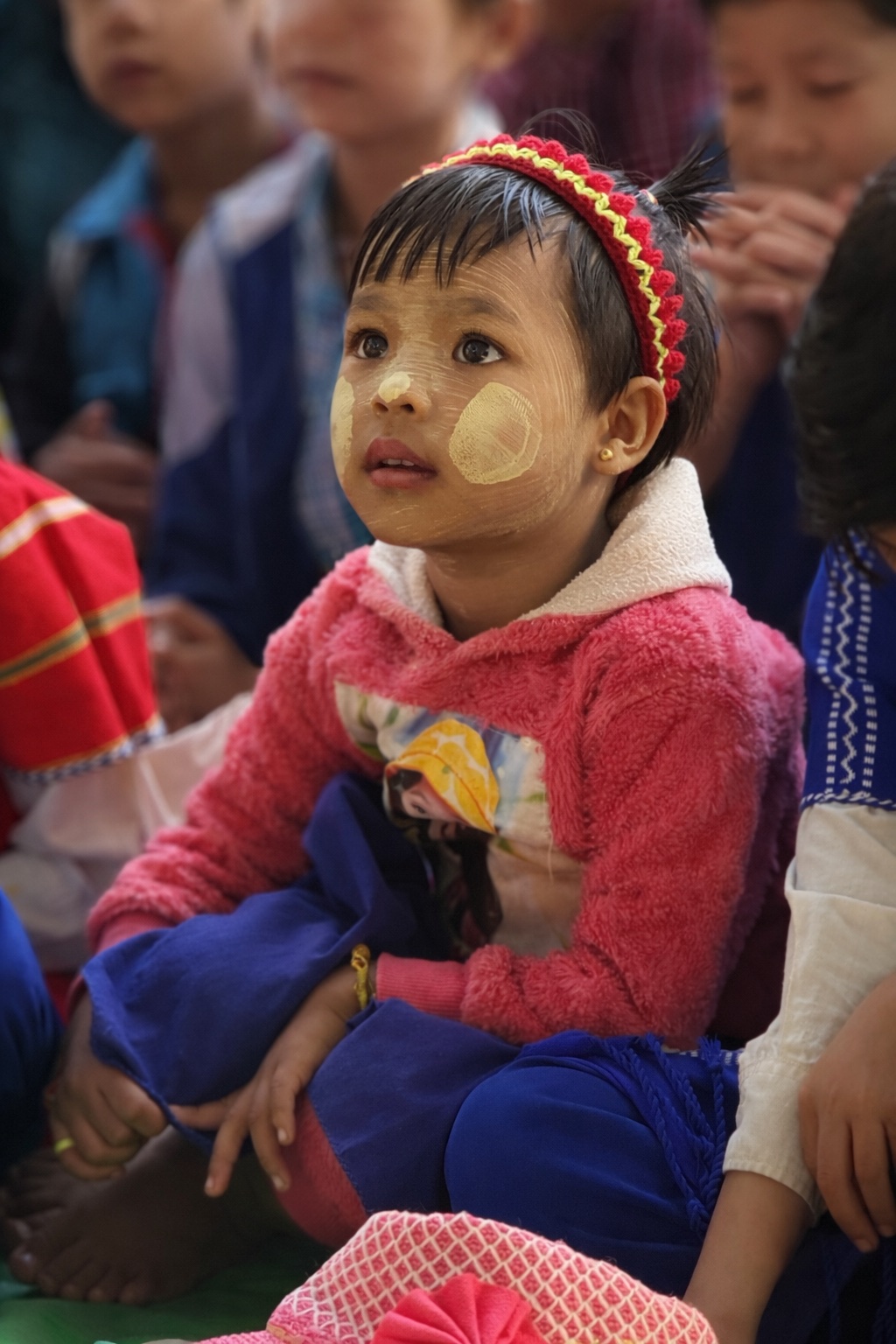
I was in the jungles of Myanmar, Burma, as it used to be called, and every night we slept under the canopy of teak trees. Not because it was magical or spiritually enriching or something you’d brag about at a dinner party. We slept there so the Burma Army would not notice us and drop a bomb on us.
Because that is what they do.
All the time.
They drop bombs on civilians.
And not just any civilians. The more vulnerable people are, the more likely they are to be a target. The sick. The elderly. Children who have already learned to run before they’ve learned to read.
At one point, villagers said, very calmly, “We don’t want a clinic in our village.”
Not because they didn’t want medicine. Or healing. Or help.
But because a clinic would make them a target.
Their own government would see the clinic, assume it was full of people, and drop a missile on it. End of story. End of lives.
That is the logic of war. It is simple. It is brutal. It works frighteningly well.
Bringing love on a mule
I was there with about 200 young ethnic leaders who had just graduated from the Free Burma Rangers training program. This was their first mission. They were young and fierce and gentle in ways that made me want to sit down and rethink my entire life.
We walked from village to village along muddy, slippery jungle paths that often seemed like a grim metaphor for the world's state. The rangers treated the sick, pulled teeth, and bandaged wounds. We brought what medicine we (and the mules) could carry. Which was never enough. It never is.
And we brought joy, which doesn’t show up in budgets or strategy plans, but without it, people slowly stop believing they are human.
Choosing grace
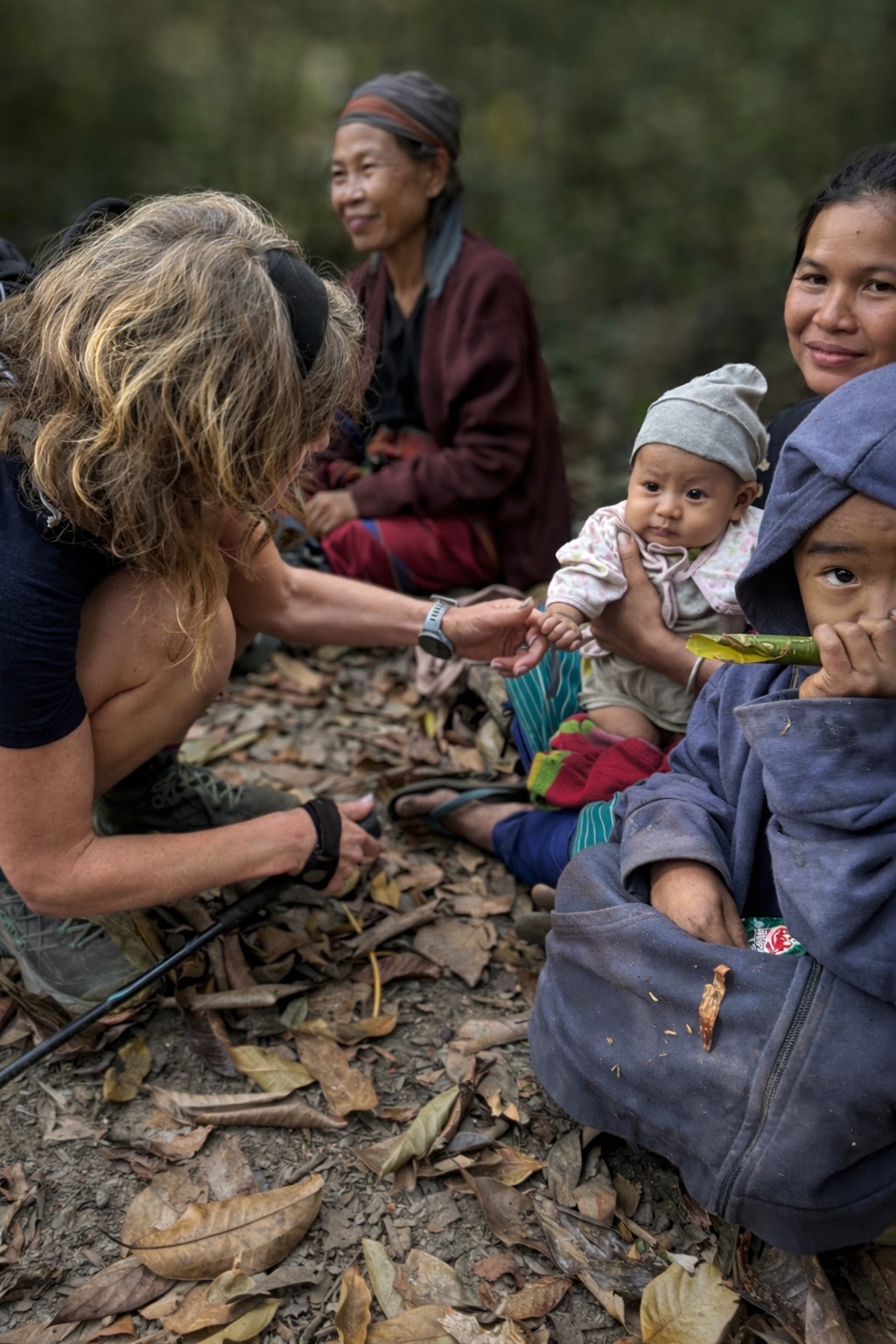
The young people I walked with were full of grace. Real grace. The kind that sings when it wakes up. The kind that smiles even when it’s scared. The kind that helps a middle-aged Norwegian woman across a river like she is precious cargo.
They put children on their laps and cut their fingernails. They held hands. They danced. They made space for laughter in a place that had very good reasons to forget how.
Every single day, they were reminded of the truth:
You may die.
We are in a war.
Your job is to stay with the civilians when they need you — even if it costs you your life.
Still, they smiled.
Still, they walked on.
Still, they chose to serve.
Pebbles
Which is why, somewhere along the way, I found myself talking to the rangers about rocks in their shoes.
During a devotion, I told them about a man who ran a marathon every day and crossed North America on foot. When asked what the hardest part of the journey was, he didn’t say the distance or the weather or the blisters the size of small countries.
He said: the small rocks in my shoes.
Not the dramatic things.
The little things.
The irritations and distractions that slowly steal your focus from the road ahead.
For them, the rocks might be tension with a teammate. Comparison. Fear. Wanting to impress. Wanting more comfort, better food, a safer assignment. None of these things are evil. They are simply human. I have a gravel pit of them myself.
But if left alone, they can pull our eyes away from what truly matters.
And here’s where it hit me: the same is true for us.
No humanitarian bombs dropping from the air
Because right now, in our very comfortable parts of the world, humanitarian work isn’t being bombed from the air. It’s being quietly starved. Funding is cut. Priorities are “restructured.” Compassion is postponed until further notice. People speak about suffering with a tone that suggests it is unfortunate, but also slightly inconvenient.
The rocks sound like this:
We can’t help everyone.
We need to look after our own first.
It’s complicated.
Surely someone else will step in.
None of these sentences are shocking. None of them sounds cruel. That’s what makes them dangerous.
They are small rocks. And if we don’t stop and take them seriously, they will slow us down until we forget why we started walking at all.
It was a reminder to them, but mostly to me.
What are the rocks in your shoes?
What are the rocks in our shoes?
What are the small, reasonable, well-phrased excuses that keep us from showing up with courage, generosity, and stubborn hope?
“Let us throw off everything that hinders and the sin that so easily entangles. And let us run with perseverance the race marked out for us.”
—Hebrews 12:1
Some days, perseverance looks heroic.
Other days, it looks like stopping, sitting down, and emptying your shoes.
Because the road is long.
The people are still there.
And love, sorry to break it to you, is still required.
Oddny Gumaer


The Novi Community is a 501(c)(3) non-profit organization