I want to begin by expressing my deep gratitude to the Free Burma Rangers and to their founder, Dave Eubank, for inviting me to join them on a mission inside Burma. I am back in Thailand now, grateful for the experience, grateful for the experience, yet heartbroken.
An army of love
The journey was far more difficult than I had anticipated. I expected the physical challenges: the long walks, the heat, the lack of comfort. What I did not fully foresee was how emotionally demanding it would be, how deeply the stories, the fear, and the courage of the people would embed themselves in my body and remain there.
During our time there, 200 young ethnic men and women from across Burma graduated from Free Burma Rangers training. Our mission was to accompany them as they moved from village to village in Karen State. These Rangers are trained to serve communities living under constant threat from the Burma Army. Their preparation is intense: physically, mentally, and practically. They learn how to treat the wounded and sick, document human rights abuses, and care for children traumatized by war.
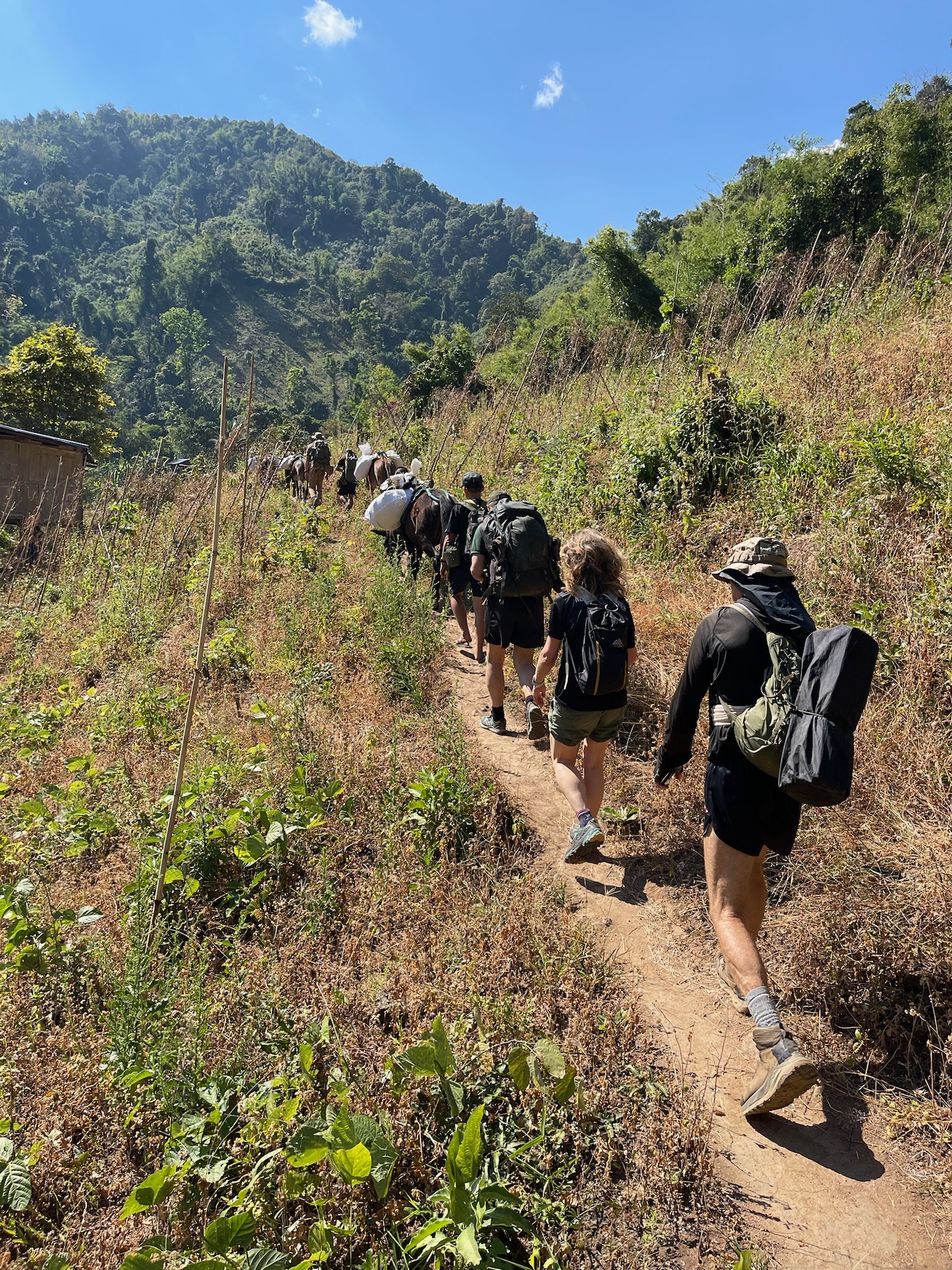
Each day we walked for hours. At times, it felt like we were a small moving community, nearly 250 people making our way together through the jungle and mountains. For security reasons, we could not remain long in any village. The ongoing threat of drones and aircraft meant that a prolonged presence could put everyone at risk. Instead, we camped in the jungle each night.
Serving the most vulnerable
We slept in hammocks, bathed in rivers and creeks, and lived very simply. I was the only white woman among mostly men, many of them former soldiers. Some things, especially basic hygiene, were far more challenging for me than for them. There were moments when I felt exposed, vulnerable, and very small.
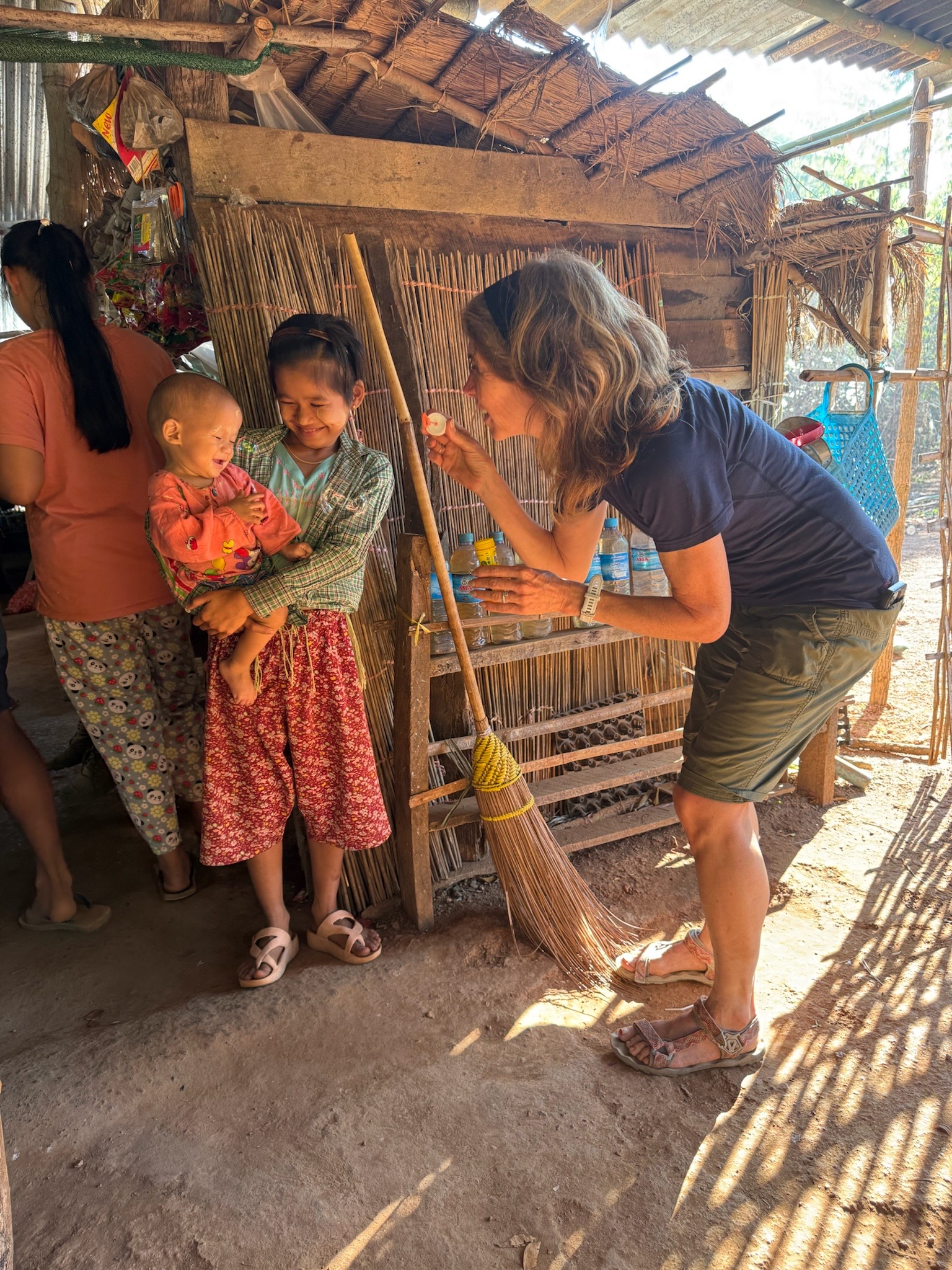
We brought food and a few cooks, so we ate rice every day. Simple, repetitive meals, but warm and sustaining. Despite the limitations, the Rangers' work in the villages was extraordinary. They treated the sick, ran small dental clinics, and created full-day programs for children filled with songs, games, dancing, and learning. It was love expressed through action. Practical. Joyful. Respectful.
Meeting teachers
My role was mostly to observe and learn. I listened. I asked questions. I heard stories of loss, resilience, fear, and hope.
Novi was asked to support approximately 20 teachers who came to meet us from nearby villages. We covered their salaries and provided school supplies for their schools. Being able to do this felt incredibly meaningful. Education, even in the midst of conflict, is an act of resistance and hope. I met each teacher individually and listened to them. Their quiet commitment, carried out under nearly impossible circumstances, is something I will carry with me for a long time. This was one of the most meaningful parts of the journey.
Villages attacked
On our final day, we received news that two villages had been attacked. Around 1,000 people had fled into the jungle with nothing—no food, no supplies. With the money I had left, $650 to be exact, we were able to buy food for all 1,000 people. There was something so right about spending our very last dollars that way. It felt like exactly what those funds were meant for.
I heard many heartbreaking stories. At night, lying in my hammock in complete darkness, I could hear drones flying overhead, searching. I heard nearby explosions. I saw military aircraft cross the sky. And yet, as terrifying as those moments were, nothing affected me more deeply than watching the Rangers themselves.
These are young men and women who voluntarily choose to serve on the front lines. Many of them will die. Last year, on average, one Ranger was killed every month. I cried often, not only out of sorrow, but out of awe at their courage and grief over the cost they are willing to carry.
Now, back in Chiang Mai, one truth sits heavily with me: we must do more. The needs in Burma are overwhelming. And the number of people willing to stand with them is heartbreakingly small.
At Novi, we exist to walk alongside people in places like this: to show up, to listen, and to respond with practical compassion. Thank you for standing with us and with the people of Burma.
With gratitude,
Oddny


The Novi Community is a 501(c)(3) non-profit organization