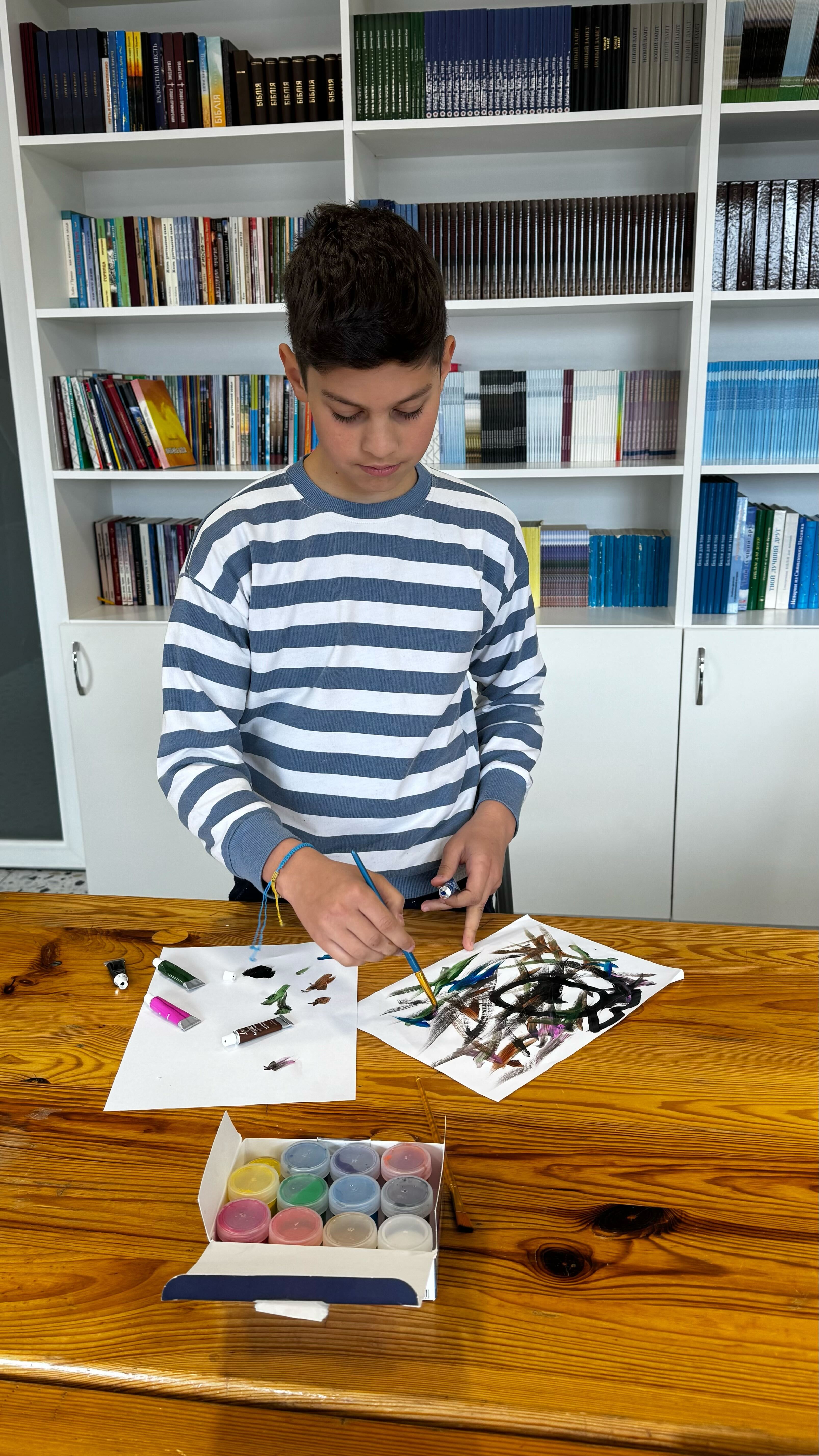
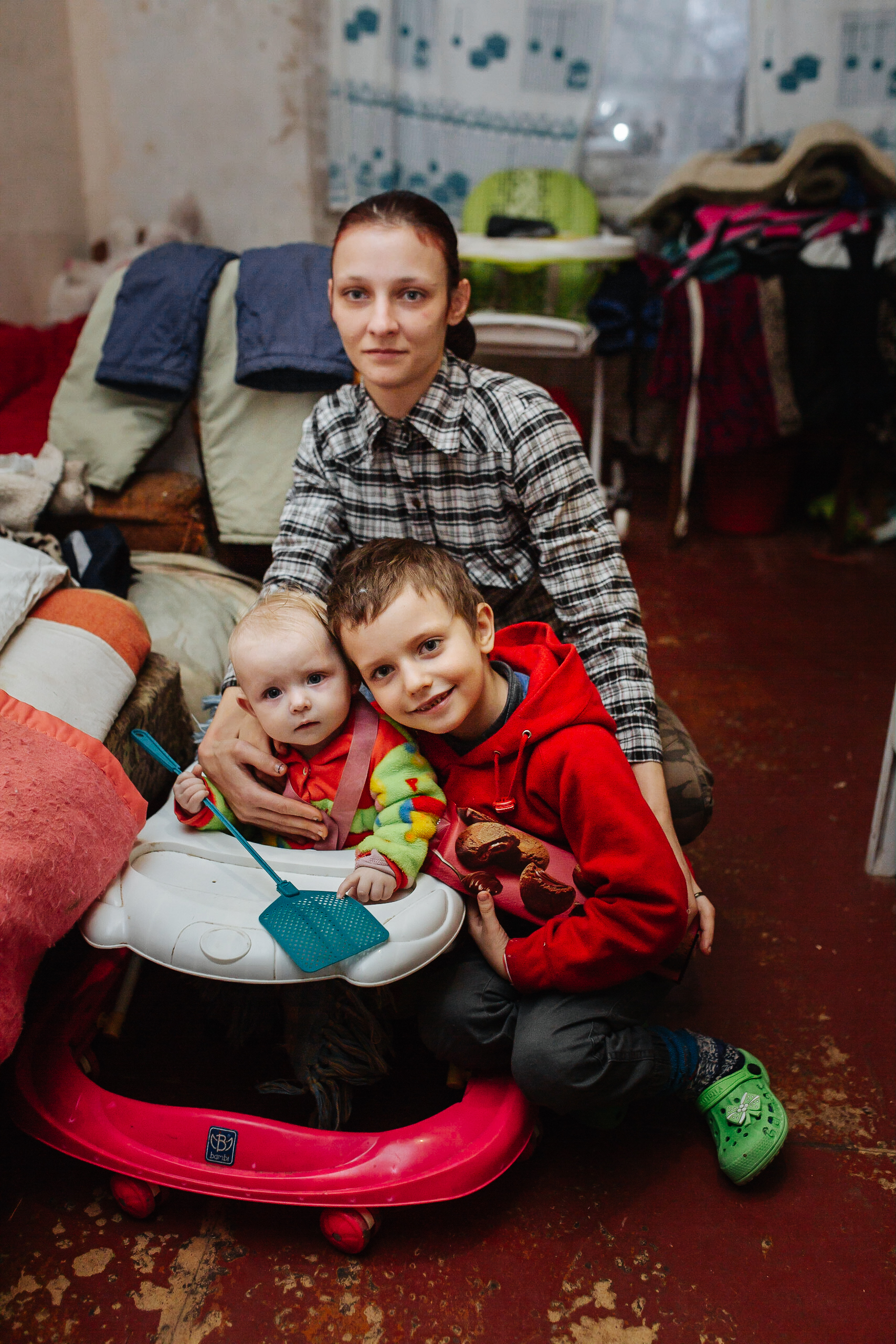
When war takes a child’s world, it does not ask permission. It arrives, and everything changes. I want you to picture Sasha, an eleven-year-old boy from Donetsk, not as a distant story but as someone I have spent time with, someone I have sat with, played with, and watched try to make sense of a world that is no longer safe. He remembers the sound first, explosions and gunfire, and his mother pulling a mattress over him, trying to create protection out of what little they had. Their home had been a place of stability, a third-floor apartment with fresh paint and a future in front of it. Today, it is gone.
For the past four years, his life has been shaped by displacement, fear, and survival. His younger sister carries that same trauma in a different way. She has lost her ability to speak, which is a known response in children who experience intense trauma, and she is now working with a therapist to help her regain her voice. Their family is living in temporary housing in Kyiv, navigating uncertainty day by day. Novi continues to walk with them, providing both practical and relational support, staying close as they rebuild some sense of stability.
Sasha’s story reflects the reality of millions of children, but it also brings clarity to our calling. The prophet Isaiah speaks to this moment when he calls us to spend ourselves on behalf of the oppressed so that light breaks into darkness. That is not an abstract idea. It is what happens when we move toward children like Sasha with consistency, care, and a long-term commitment to their healing.
Psalm 34 reminds us that God is close to the brokenhearted, and that closeness often takes shape through people like you who choose to care and act. It reaches into families like Sasha’s and confirms that they are not alone in their struggle. Bonhoeffer’s words that the Church exists for others come into focus here, not as theory, but as lived responsibility.
We cannot restore what has been destroyed, but we can help rebuild what war tries to erase. Safety, dignity, and hope are not out of reach when a community is willing to stand in the gap. The future for children like Sasha and his sister is still being written, and we have a role in shaping it with courage and compassion.


The Novi Community is a 501(c)(3) non-profit organization