“Ukraine is turning into a country of widows and orphans.”
This phrase appeared in a recent BBC article. It hurts to read something like that. But it hurts even more to realize that this is not a headline for discussion. It is someone’s life.
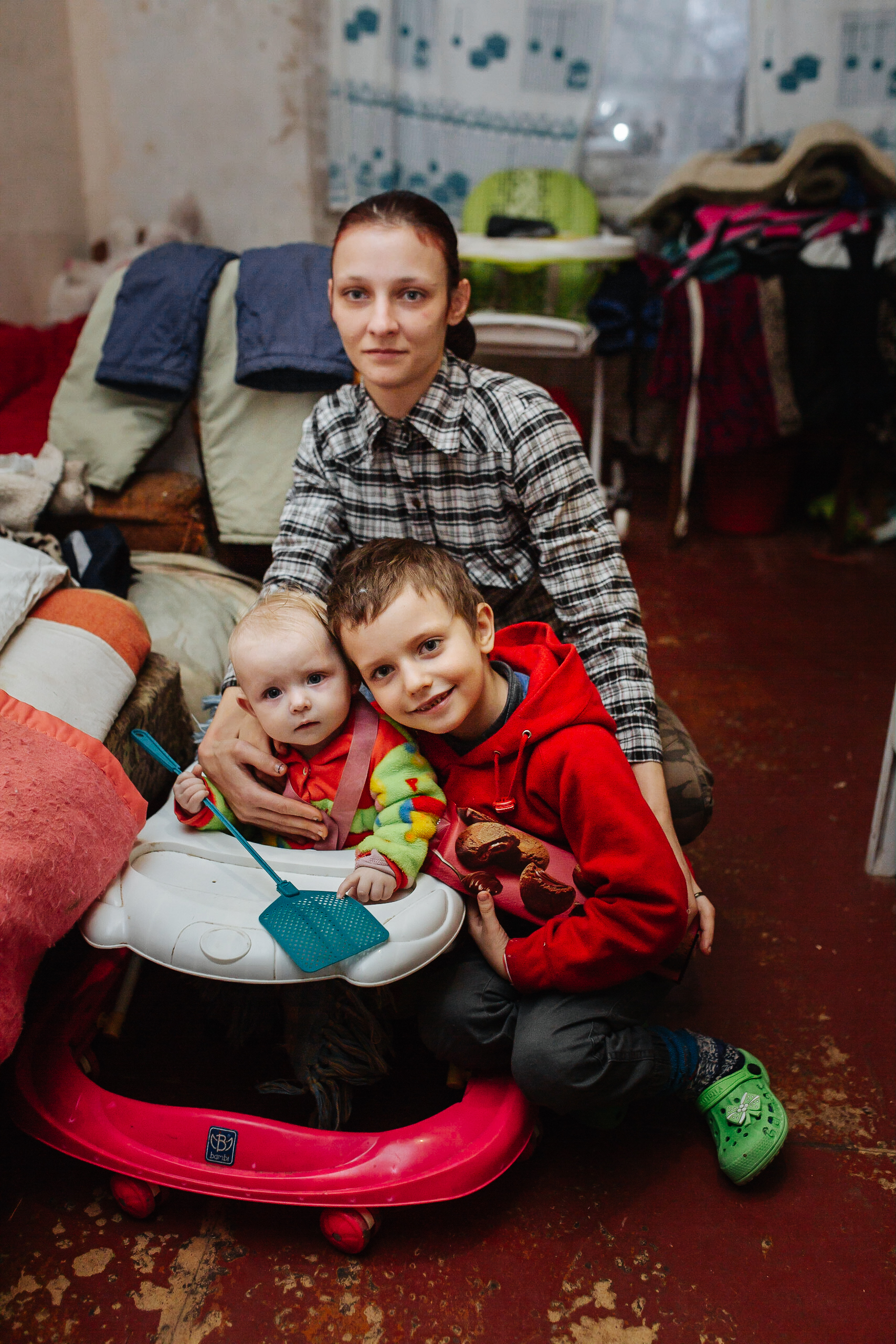
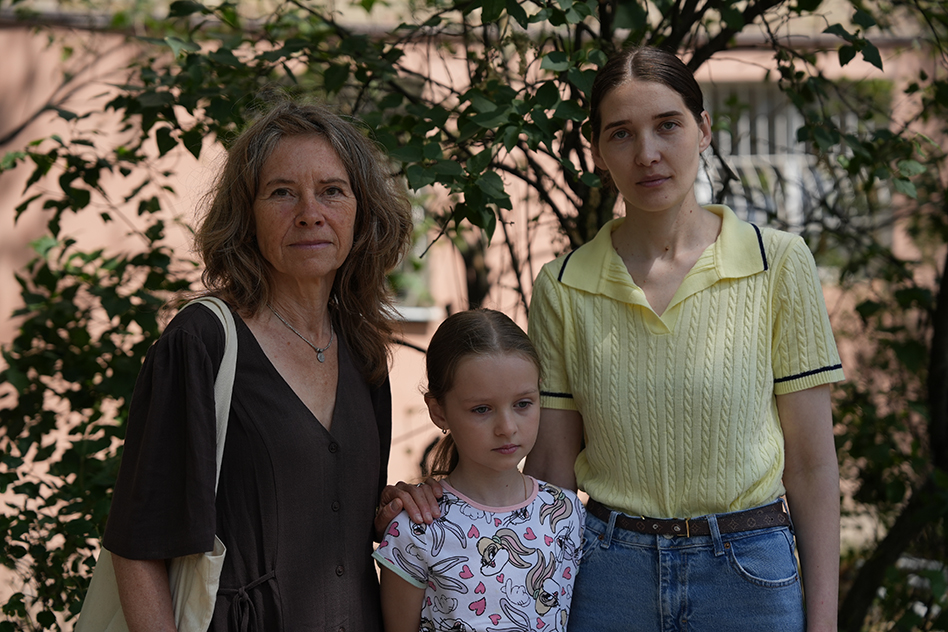
Behind these words, there is no abstract “demography.” There is a child who no longer waits for their father to come home. There is a mother trying to hold herself together when she barely has the strength. There is a classroom where someone suddenly became quieter, where a chair feels empty even when it is not.
There are birthdays that will never be celebrated the same way again. There are ordinary days that now carry a quiet heaviness. There are questions children ask that no one knows how to answer.
We can talk for a long time about numbers. About birth rates, migration, and forecasts. These conversations matter. But for a child who has lost a parent, something else matters more: That someone notices how hard it is. That someone does not look away. That there is an adult nearby who knows how to support them, not just say, “stay strong,” but also say, “you don’t have to carry this alone.”
Because grief in children is not always loud. Sometimes it looks like silence. Sometimes like anger. Sometimes like trying to grow up too fast.
At Novi, this is precisely the level we focus on: what happens after the headlines and attention fade. We support schools and communities in creating spaces where children can talk about loss, fear, and anger without being rushed or corrected.
We give adults tools so they don’t feel lost in difficult conversations, so they dare to stay present even when it is uncomfortable.
We do not influence statistics directly. But we can influence how this country raises the children who are already here. How they learn to live with what they have lost, and how they are met along the way.
Ira Riabyi works for Novi, Ukraine. She is married to Sasha, and the mother of Mark and Jordan.


The Novi Community is a 501(c)(3) non-profit organization