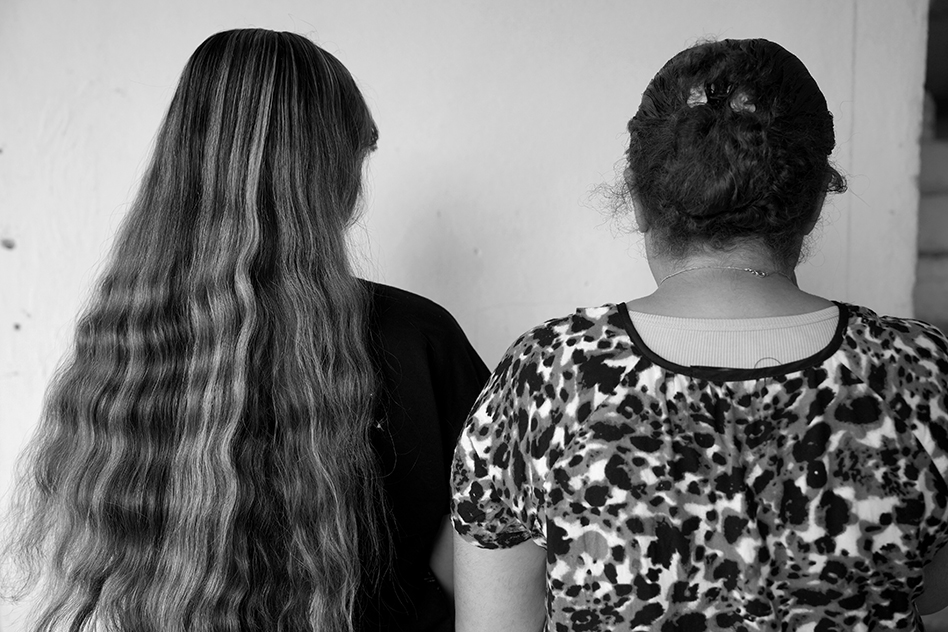
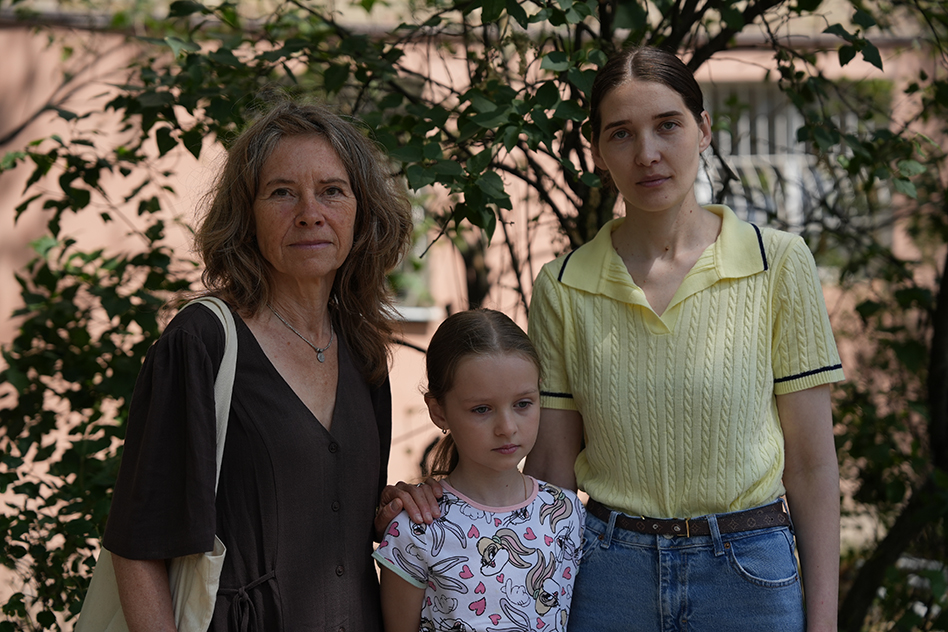
Three weeks ago I sat in a small apartment in northern Iraq and listened as Janna told me what ISIS did to her and her children.
At one point she looked down at the floor and said, "I suffered. He tortured me. He was cruel." She did not say it dramatically. She was simply telling me her story.
On February 22, 2019, ISIS killed Janna's husband and members of her family in Sinjar. She survived with her two sons and young daughter. Then she and her children were captured. An ISIS fighter bought them.
For the next six years, Janna lived as a slave. She was beaten, violated, and stripped of her freedom. Her children suffered alongside her. They were forced to serve their captor and attend ISIS indoctrination classes. One day, Janna's daughter failed to bow and pray exactly as she had been instructed. She was ten years old. The man picked her up and threw her through a window. Her nose was broken. She suffered other injuries. Medical care was denied.
As Janna spoke, her children sat nearby. I found myself looking at them and doing the math. Six years is most of a childhood. While the world moved on, these children woke up each day inside captivity.
Years later, another ISIS fighter witnessed what was happening to the family and negotiated for their release. It was an unexpected act in a place where mercy had become rare. After six years of captivity, Janna and her children escaped. Only a few months ago they returned to Iraq and began rebuilding their lives.
Rebuilding is slow. Today, local psychologists from our partner Panaga Organization for Education visit the family three times each week. Through Panaga's team and the support of people who stand with Novi, Janna and her children are receiving healthcare, food assistance, rent support, and the consistent care that recovery requires. The effects of torture remain. Janna has undergone six surgeries. She has lost her spleen and her womb. Doctors continue treating injuries to her back and other parts of her body. Her daughter still struggles to breathe because her broken nose was never properly treated.
The genocide of the Yazidi people is not ancient history.
Many of the women and girls who were kidnapped are still missing. Some families are still waiting for daughters who disappeared more than a decade ago. Parents still wonder whether their children are alive. Brothers and sisters still wait for news that may never come.
Many survivors returned home only to discover there was almost nothing left to return to.
That is why our work continues. Healing from trauma takes time. The wounds left by violence do not disappear when the fighting stops.
When I left Janna's apartment, I felt grateful for her courage. I also felt a responsibility to tell her story. Not because she wants pity, but because she deserves to be seen.
The world gives us endless reasons to look away. There is always another crisis competing for attention. But for Janna and thousands of Yazidi families, this is not a headline. It is their life. The question is not whether this happened. The question is whether we will care enough to respond.
If stories like Janna's make you angry, they should. A ten-year-old girl should never be thrown through a window because she prayed incorrectly. A mother should never spend six years in captivity. A family should not have to rebuild their lives alone after surviving genocide.
Please pray for Janna and her children. Share their story. Tell others what happened to the Yazidi people. Join our mailing list. And if you are able, help us continue this work.
At Novi, together with our partners at Panaga, we are committed to the long road of recovery. Long after attention moves elsewhere, we will continue walking alongside families as they rebuild their lives, investing in local leaders and helping children heal.
We are not leaving.


The Novi Community is a 501(c)(3) non-profit organization