The first thing her mother showed me was the last photo taken of Nadine before ISIS came.
She was smiling. Just a kid leaning into the camera as kids do. Nothing unusual about the photo at all. Which somehow made it harder to look at.
Nadine is 23 now.
When I met her last week in northern Iraq, she made tea for us. Her mother brought biscuits and fussed over where I should sit, finally placing a pillow on the floor behind my back so I would be comfortable. I remember thinking how strange it was that after everything they had endured, they were still worried about taking care of a guest.
My friend Zirak from Panaga sat beside me while Nadine told her story.
ISIS came to her Yazidi village in August of 2014. They surrounded the community for days before killing the men and older boys. The younger boys were taken away to be trained as fighters. Women and girls were separated and sold.
Nadine was eleven years old when they sold her to an ISIS fighter.
Eleven years old.
People talk about the war against ISIS like it ended a long time ago. Sitting there with Nadine, it did not feel over at all. Her captor moved her into Syria and later Turkey. He kept her for years after the headlines disappeared. During that time she gave birth to his child. Most of her teenage years disappeared inside captivity.
Then somehow, after more than a decade, she escaped.
In August 2025 she fled Turkey and made it back into Iraq. Eventually she was able to contact her mother, who had already resettled in Australia with her only surviving son. While Nadine spoke, her mother mostly stayed quiet beside her. But you could see the cost of it all sitting there in the room with us.
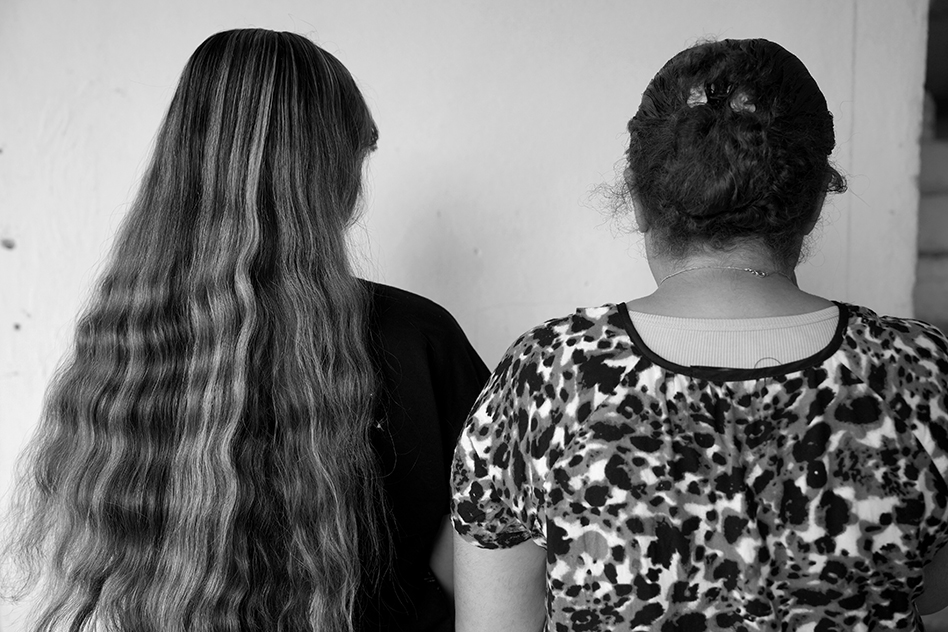
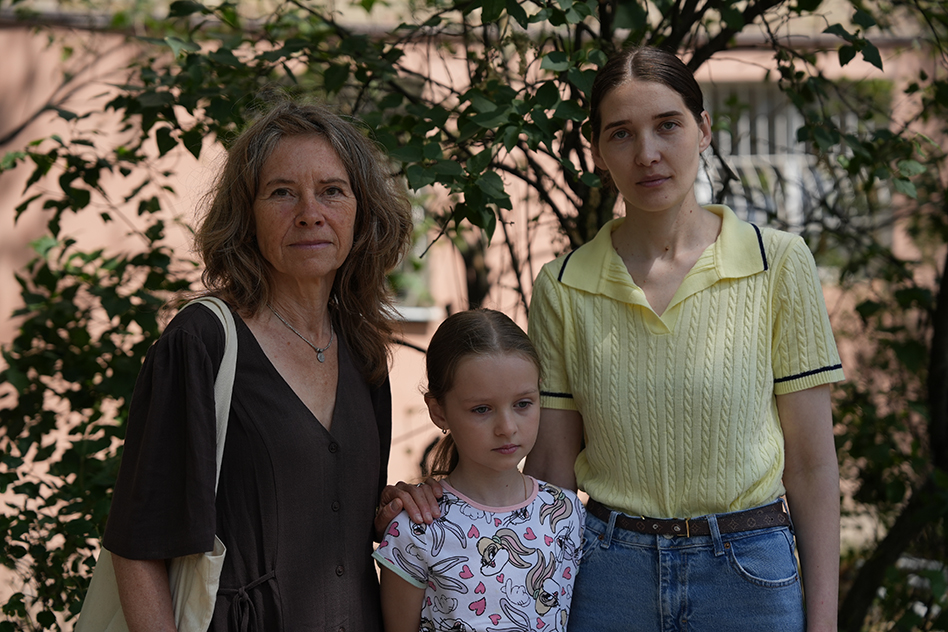
Yesterday I met with three mothers and their surviving children. Different details. Same grief underneath all of it.
The war is still here. Maybe not on television every night. Maybe not in political speeches. But it is here in the bodies of survivors trying to sleep, trying to parent children, trying to rebuild lives after years of violence and humiliation. Thousands of Yazidi women are still missing. And many who escaped came back to almost nothing.
This is why Novi keeps working here with local teachers, psychologists, and social workers. Some wounds change people forever. But healing becomes more possible when people care for them, when survivors are not ignored or slowly forgotten.
People like Nadine disappear when we stop paying attention. That is part of the tragedy too.
Steve Gumaer, CEO Novi
If Nadine’s story moved you, please join our mailing list and repost this story. For women like Nadine, the fear is not only what was done to them, but that the world will eventually stop caring that it happened at all. By staying connected with Novi and sharing stories like hers, you are helping survivors know they are not invisible, not erased, and not alone as they rebuild their lives after war.


The Novi Community is a 501(c)(3) non-profit organization