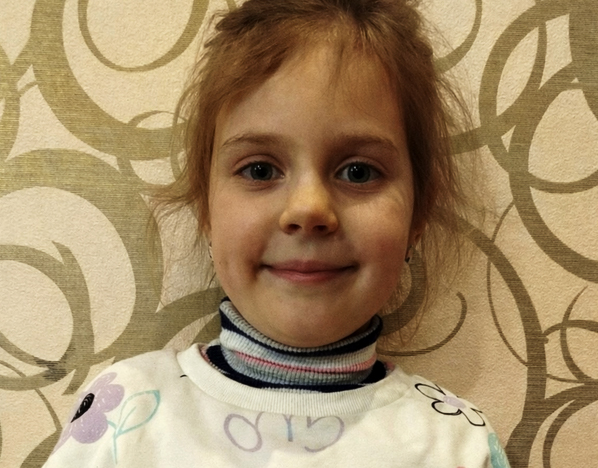
Some children wake up to their mother saying,
“Time to get ready for kindergarten.”
This little girl woke up to something else:
“Don’t worry, sweetheart, but the war has started.”
These were the first words she heard on the morning of February 24, 2022. She was four years old. She didn’t know what war meant. She simply did what adults told her to do. She didn’t understand why everyone was suddenly running, packing things, and crying.
She remembers her grandmother’s basement, where her family spent the early days. Children no longer attended kindergarten or school. Adults hadn’t gone to work. She longed to return to her small bed and her favorite dolls. But their home didn’t have a basement. When they went back there, they hid in the bathroom instead. The adults listened carefully for every sound in the sky and constantly watched the news.
A few days later, her mother made the same decision many Ukrainian mothers did. She took her daughter and her son and left the country. They traveled abroad, where grandparents waited for them with both fear and hope.
One day, the little girl asked her mother, confused: “Why is there no bathtub here, only a shower? Where will we hide?” Her mother answered gently,
“It’s okay, my dear. They don’t shoot here.” They were safe, but they were not home.
They missed their homeland. They longed for their father, who had stayed behind. They missed the life they knew. They lived in a small apartment where they couldn’t speak loudly or play freely. Everything felt different. Everything felt “чужим” — foreign. Then summer arrived, and they went back to Ukraine.
The joy was overwhelming.
First, hearing people speak her native language again. Then, the familiar yard. The toys that seemed to have been waiting for her. At first, the loud sounds of planes and rockets frightened her. Later, she got used to them. And that may be the most frightening part of all.
Today, she is in second grade. She loves math, reading, and art classes. But sometimes, lessons are interrupted by air raid sirens, and the children go down to shelters that are neither comfortable nor safe-feeling. She gets upset when it happens, not because she is afraid, but because she doesn’t want to miss school.
At school, they support soldiers through charity efforts. Every morning, they sing the national anthem. They honor fallen heroes with a moment of silence. And every Monday, the school week begins with a prayer for peace in Ukraine. She is still very small, but her heart already holds something very big.
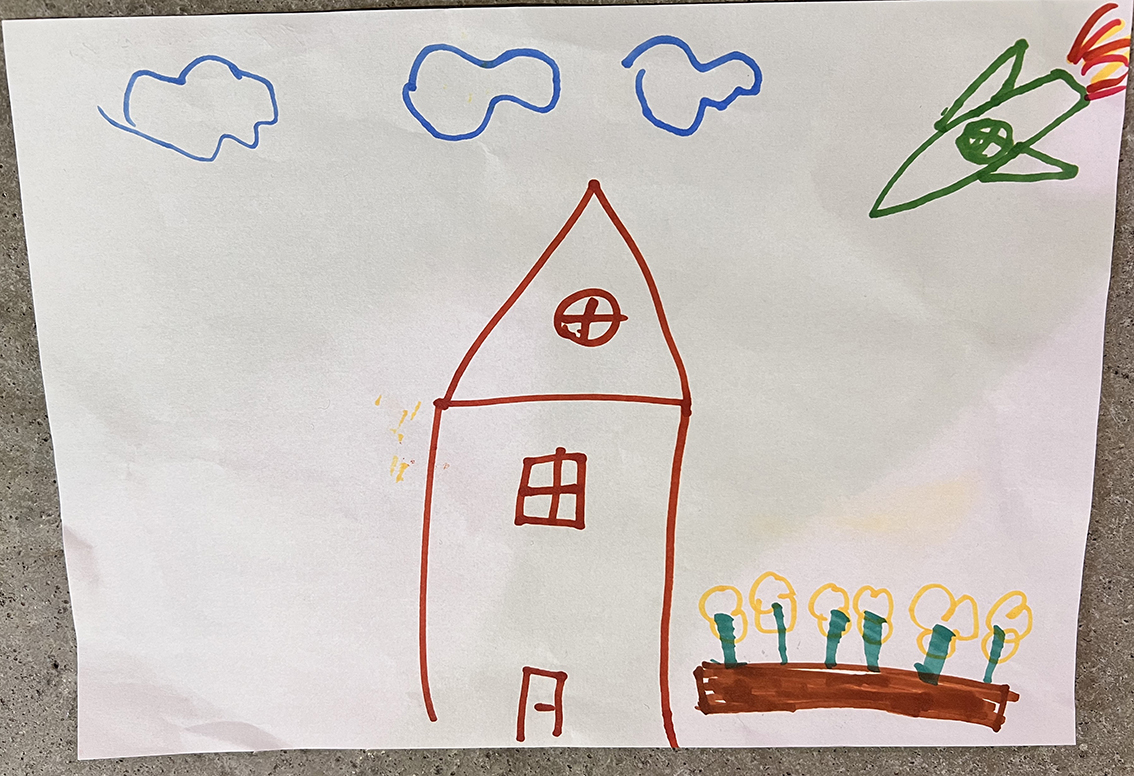
When we talk about war, we often talk about armies, weapons, borders, and politics.
But war is also this:
A four-year-old learning to ask where the safest place to hide is.
A child getting used to the sound of rockets.
A second grader worrying more about missing math class than about air raid sirens.
Children carry wars in quiet ways. In the questions they ask. In the games they stop playing. In the things they slowly learn to accept as normal.
And perhaps the greatest responsibility for the rest of us is this: Never to accept it as normal.


The Novi Community is a 501(c)(3) non-profit organization